$95B The cost of the seven tropical cyclones, one drought, and one wildfire event in 2020 alone.
Over time, these types of devastating storms are likely to get worse–and more costly.
681,000 The amount of jobs that recycling and reuse activities can create in a single year
Half of what American households throw away is recyclable.
So, how can you help?
Change your lifestyle
Get educated
We’d say “studies show”, but honestly it’s just common sense—getting to know more about something can help kick your ass into gear when change needs to happen. We’ve only got one Earth, so read (or listen or watch!) a little bit more about our human affect on it.
Give back
Now act on it, too. Volunteering or donating to an organization doing sustainable good in your community is a no-brainer. Take a look below for a few of our favorites… and let us know if you’ve got others to add to the list!
Spend responsibly
Taking better care of our Earth starts with us… but individual change is only the beginning. We have to hold companies accountable to doing their part and conducting business sustainably. And the easiest way to do that? Use your money.
Recycle and compost
One man’s rotting banana peel is another man’s treasure! (That’s how the saying goes, right?) Don’t worry, you don’t have to be a hardcore green machine to add more recycling efforts or introduce composting to your life. It’s pretty easy, and makes a world of difference… literally.
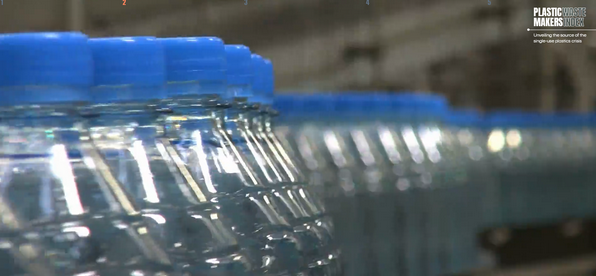
Single-use plastics – the cheap plastic goods we use once and then throw away – epitomise the plastics crisis.
Whilst they provide an inexpensive and convenient option, that convenience comes at a cost.
Single-use plastic accounts for over a third of all plastic manufactured every year, and the majority of plastic thrown away – 130 million tonnes a year.
Almost 98 per cent of single-use plastic is made from virgin fossil fuels – plastic created without any recycled materials. Plastic produced for the very first time. This plastic is turned into bags, bottles, takeaway cutlery, straws, packaging, disposable face masks and more. Most are used just once and discarded.
To stand any chance of ending the plastic waste crisis – and the negative impacts on our environment and health – we need these companies to produce polymers from sustainable materials, not virgin fossil fuels.
But there has been a collective industry failure to do so – only two per cent of single-use plastic produced in 2019 was from recycled plastic or bio-based feedstocks.
These global companies are paying lip service to sustainability – almost all have plans to increase their virgin plastic production capacity rather than reduce it.
While the plastic issue is a complex, global problem, we have found a surprisingly small number of companies account for the majority of the world’s production of polymers destined for single-use plastic waste.
We have unearthed a paper trail of evidence which tracks plastic polymers as they leave the factories, follows them as they are traded around the world and converted into single-use plastics, and reveals where they are finally used and thrown away.
№ 3
WHAT’S CALLED GARBAGE?
70% Packaging of different types of goods left after the product is consumed
23% Functioning, intact but boring electronics, clothing
3% And only 3 items out of 100 are actual trash
1-3 MONTHS
NEWSPAPER
100 YEARS
A CIGARETTE FILTER
4 YEARS
WOODEN STICK
200 YEARS
A PLASTIC BAG
5 YEARS
DISPOSABLE YABLEWARE
500 YEARS
AN ALUMINUM CAN
90 YEARS
A TN CAN
500 YEARS
A PLASTIC BOTTLE
100 YEARS
FOIL
1000 YEARS
GLASS
dry land
Of the 292.4 million tonnes of garbage, only 65 million tonnes are recycled and only 25 million tonnes are composted.
!Only 10% of discarded waste in landfills decomposes within a few years.
The rest will outlive you and me.
The ocean
8-14 mil tonnes THAT’S HOW MUCH PLASTIC ENDS UP IN THE WORLD OCEAN EACH YEAR
WHAT ELSE IS GOING ON WITH THE PLASTIC IN THE OCEAN:
9% IS SORTED AND RECYCLED
25% IS WASHED ASHORE AND LITTERING THE BEACHES
25% IS FOULED BY CORAL AND ADSORBED
41% IS SLOWLY KILLING MARINE LIFE
fire
24 км THAT’S HOW FAR EMISSIONS FROM THE PIPES OF THE INCINERATOR ARE SPREAD OUT
This waste needs to be safely disposed of that is not provided in most cases and the waste is sent straight into the ground after incineration.
Air
9 мil people SO MANY PEOPLE DIE FROM RESPIRATORY DISEASES CAUSED BY POLLUTED AIR
One 13-hectare landfill releases into the atmosphere per year:
2.4 thousands tonnes of methane
39.4 tonnes of carbon dioxide
1.8 tonnes of ammonia
0.028 thousand tonnes of hydrogen sulphide
FIVE SIMPLE HABITS
1. DISCARD ANYTHING UNNECESSARY Sort your wardrobe into things you wear every day and things you’ve worn a couple of times — you probably don’t need those things. To keep your clothes looking good as long as possible — use them carefully, and when buying choose better quality.2. REDUCE IRRATIONAL CONSUMPTIONDid you know that the cost that appears on the price tag of a product includes the cost of packaging, production, transportation and storage? So choose products with less packaging and give preference to a local producer — this way you consume a higher quality product and reduce the carbon footprint of your grocery kit.3. REUSEThings should be given a second chance. For example, a glass bottle can be washed and reused. Old cereals and pasta can also be given to animal shelters.4. RECYCLE THINGSPlastic or glass can be used to make new containers or clothes, rubber is used as a covering for stadiums. Wasted paper is used to make new paper and cardboard. And aluminum is used to make furniture, building materials, cars, airplane parts, and other items.5. COMPOSTFor apartment dwellers, the solution of the problem of organic waste can be handled by dispensers installed directly in kitchen sinks and grinding organics into mush or vermicomposters. You can install a composting bin in cooperation with your neighbours. Biohumus obtained from such a composter can be used for planting trees or flowers.

 № 1
№ 1


 № 2
№ 2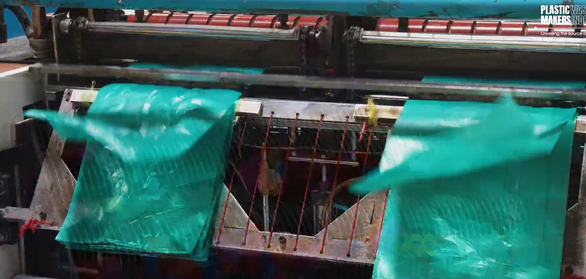

 № 3
№ 3